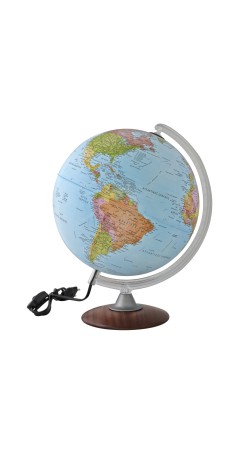

υδρόγειος, η (ουσ.)
[από το θηλ. του επίθ. υδρόγειος* ]
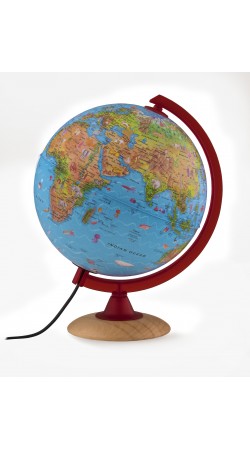
1. η γήινη σφαίρα, το σύνολο των ηπείρων και των θαλασσών της Γης
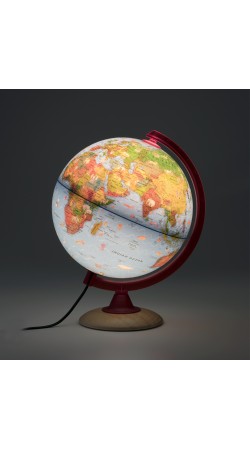
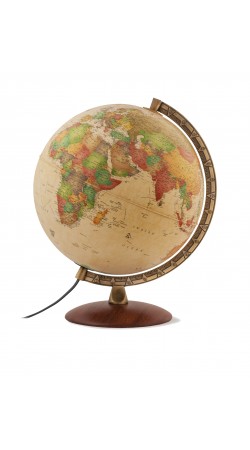
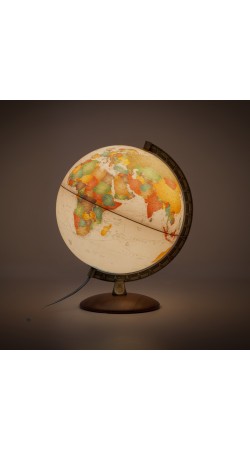
2. (συνεκδ.) η σφαίρα που απεικονίζει τη Γη αποτελεί εποπτικό μέσο χρήσιμο για τη διδασκαλία της γεωγραφίας
3. (κατ επέκτ.) η υφήλιος, η οικουμένη.
υδρόγειος -ος / -α -ο [iδrójios] Ε15 : ~ σφαίρα,
[λόγ. υδρο- + -γειος, σφαλερή δημιουργία μτφρδ. παλ. γαλλ. terraqué]
------------------------------
Οι υδρόγειες σφαίρες έχουν παρόμοιο σκοπό με τους χάρτες, αλλά σε αντίθεση με τους χάρτες, δεν αναδιαμορφώνουν την επιφάνεια που απεικονίζουν, απλά τη παρουσιάζουν υπό κλίμακα. Η υδρόγειος σφαίρα παρουσιάζει λεπτομέρειες για το θέμα το περιγράφει. ‘Άλλοτε παρουσιάζει χερσαίες μάζες και υδάτινα σώματα ,άλλοτε βουνά-οροσειρές και άλλες σημαντικές μορφές εδάφους, σε διαφορετική φόρμα ή και παράλληλα σε άλλες υδρογείους παρουσιάζονται τα έθνη, οι μεγάλες πόλεις και οι θαλάσσιες διαδρομές ενώ η ουράνια υδρόγειος σφαίρα παρουσιάζει τα αξιοσημείωτα αστέρια και μπορεί επίσης να δείχνει θέσεις άλλων σημαντικών αστρονομικών αντικειμένων. Τυπικά, αυτές οι υδρόγειοι διαιρούν την ουράνια σφαίρα σε αστερισμούς.Οι υδρόγειες σφαίρες έχουν μακρά ιστορία. Η πρώτη γνωστή αναφορά σε υδρόγειο γίνεται στα έργα του Στράβωνα «Γεωγραφικά» τα οποία περιγράφουν την Υδρόγειο του Κράτη (περίπου 150 π.Χ. )ο οποίος φημολογείται ότι ήταν ένας από τους καλύτερους κατασκευαστές υδρογείων. Παρά το γεγονός ότι η υδρόγειος του Κράτη δεν διασώθηκε πουθενά ενώ ο Στράβωνας παραμένει πρωταρχική πηγή για την καταγραφή της ύπαρξής της, εκείνος και ο Κράτης, μέσα από την γεωγραφία και τις υδρογείους ανακάλυψαν το κόσμο και συνέβαλαν στην δημιουργία μιας ολόκληρης σχολής συναρπαστικών Γεωγράφων που παρατηρώντας τις υδρογείους έκαναν ταυτόχρονα και μια σπουδή στη φιλοσοφία αφού το να παρατηρεί κανείς την υδρόγειο σημαίνει ότι ανοίγει έναν ολόκληρο κόσμο από ερωτήσεις για το σύμπαν, τη ζωή και τα πράγματα.
Βιβλιογραφία
«Ανέμη - Ψηφιακή Βιβλιοθήκη Νεοελληνικών Σπουδών - Στράβωνος Γεωγραφικών βιβλία επτακαίδεκα, / Εκδιδοντος και διορθούντος Α. Κοραή, Φιλοτίμω δαπάνη των ομογενών Χίων, επ' αγαθώ της Ελλάδος...». anemi.lib.uoc.gr. Ανακτήθηκε 05 Νοεμβρίου 2025
The Geography of Strabo. Literally translated, with notes, in three volumes. London. George Bell & Sons. 1903, as cited in Perseus Tufts database https://catalog.perseus.org/
Nikos Litinas, "Strabo's Sources in the Light of a Tale", στον τόμο: Daniela Dueck, Hugh Lindsay, Sarah Pothecary (επιμ.), Strabo's Cultural Geography - The Making of a Kolossourgia. Cambridge: Cambridge University Press, 2005, σελ. 108-117.
Crates In: Encyclopædia Britannica. 11. Auflage. Bd 7. London 1910–1911, S. 381.
Crates of Mallos in Cilicia, In: Oskar Seyffert, Henry Nettleship (Hrsg.), J. E. Sandys (Hrsg.): Dictionary of Classical Antiquities, 1894, S. 169–170 (englisch)
Professor Dr. R. du Bois-Reymond und Oberst z.D. C .Schaefer (1908). «Handbuch zur Geschichte der Naturwissenschaften und der Technik». Verlag von Julius Springer. Unknown parameter |accessyear= ignored (|access-date= suggested) (βοήθεια)
Edward Luther Stevenson (1858-1944) (1921). Terrestrial and celestial globes; their history and construction, including a consideration of their value as aids in the study of geography and astronomy. New Heaven: Pub. for the Hispanic society of America by the Yale university press
-----------------------------------------------------------
Related Products